Indoor or outdoor material
Choosing the right material starts with where the graphic will be used, what weather it will face, how long it needs to last, and how you plan to hang or display it.
Start with the conditions
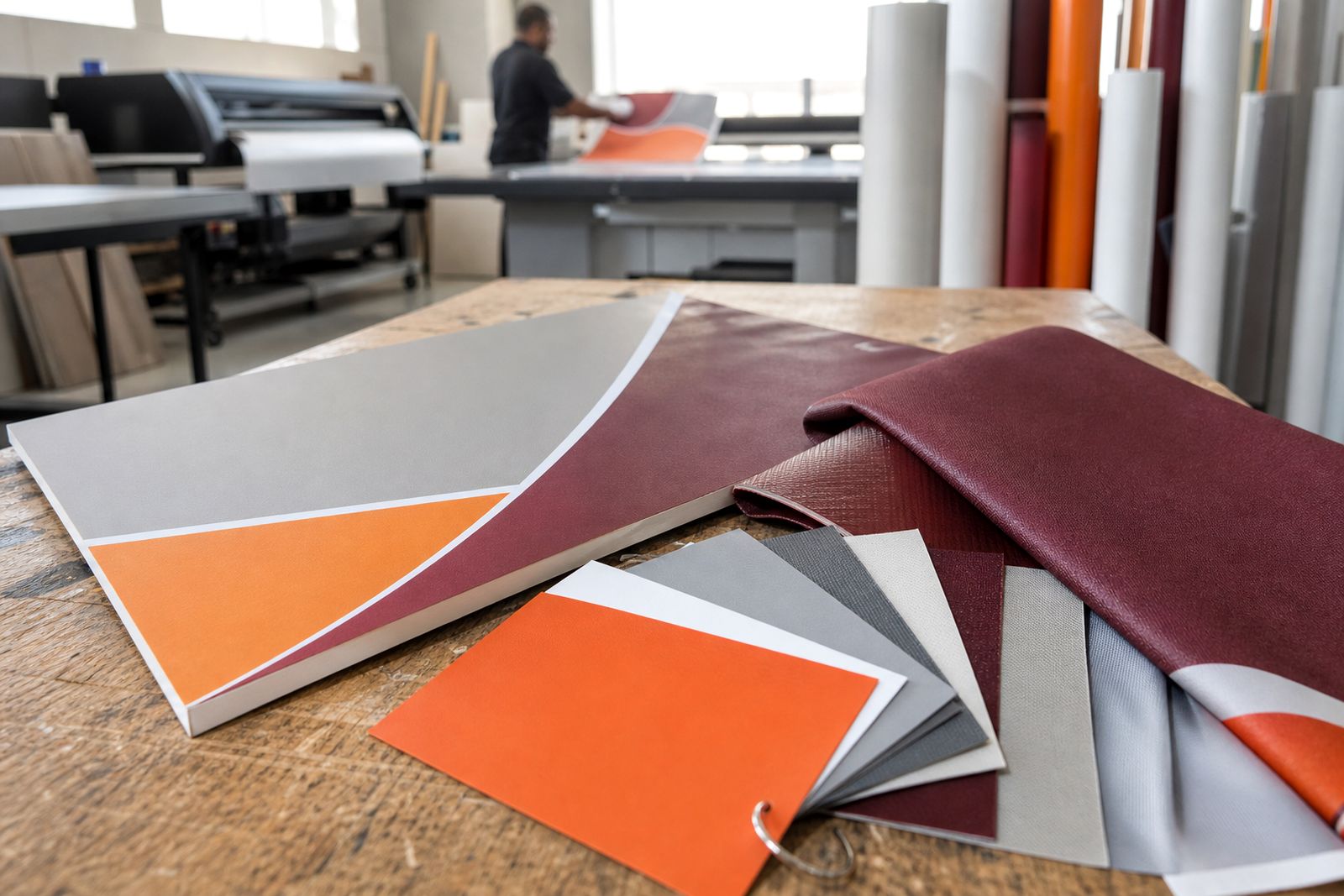
The first choice is not colour or finish, it is the environment. Indoor graphics are usually protected from sun, rain and wind, so lighter materials often make sense. Outdoor graphics need to cope with weather, stronger light and movement, which usually calls for tougher faces and sturdier bases.
It also helps to think about how long the item must stay presentable. A short event notice, a seasonal promotion and a longer term shop sign do not need the same material. If you know whether the print is for a few days, a few months or longer, it becomes much easier to narrow down the right option.
When paper and board are enough
Paper and lighter board materials are often suitable for indoor use where the print will stay dry and reasonably clean. They work well for posters, point of sale pieces, menus, show cards and other temporary or semi-permanent display items. Finishing can also make a difference, especially where handling or scuffing is expected. You can read more about finishing and point of sale material.
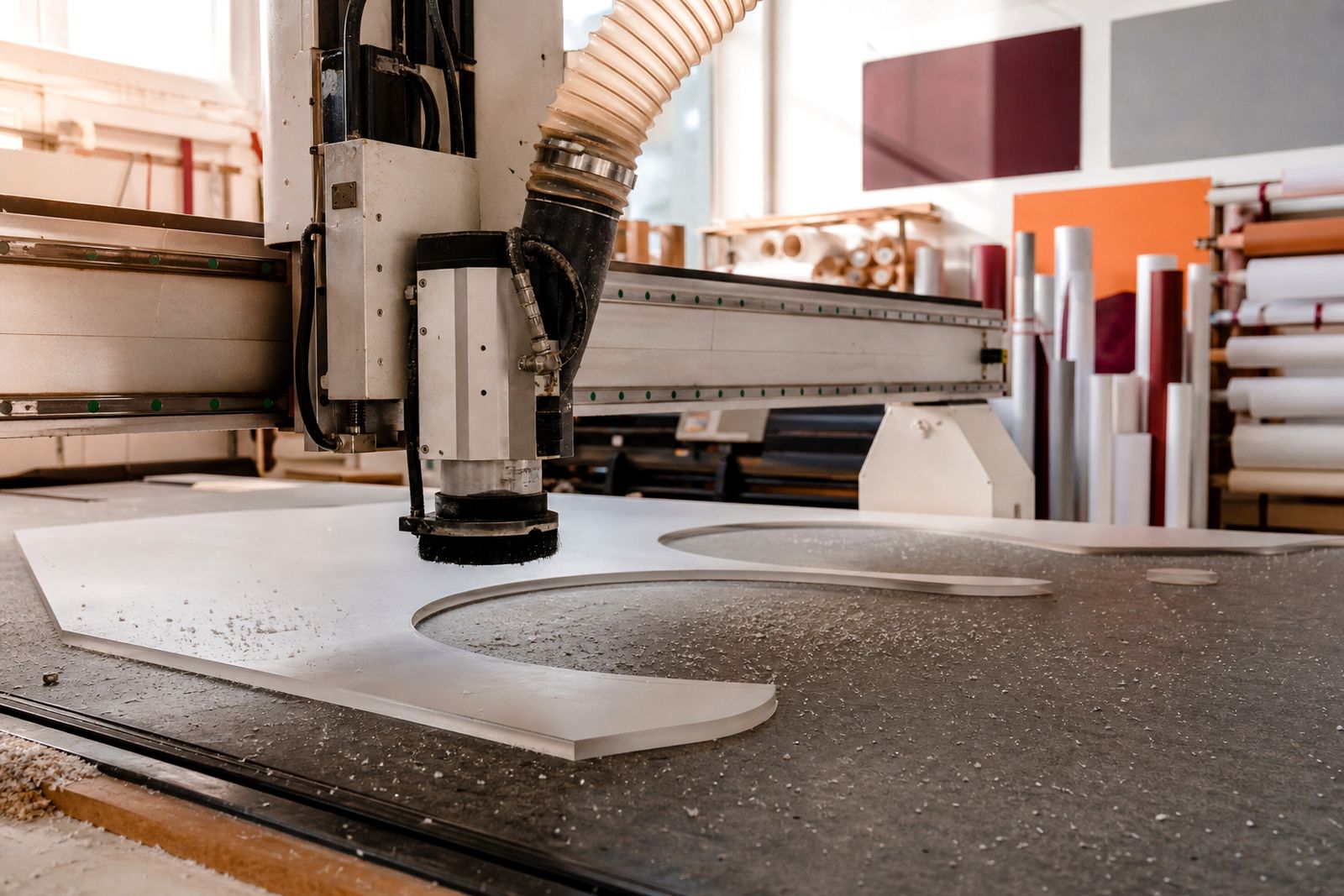
Board is also useful when you need a rigid panel rather than a flexible sheet. If the shape is part of the display, router-cut lettering or custom cut-outs can make the item more noticeable without changing the printed message itself. See router cutting for shaped board items and letters.
Materials that suit outdoor exposure
For outdoor use, materials need to match the level of exposure. Self-adhesive vinyl is common where a printed face must sit neatly on a smooth surface or on a signboard. PVC banner material is a practical choice for many temporary outdoor messages because it is flexible and made for hanging. For larger signboards, vinyl applied to chromadeck is often chosen for a more solid result. Omni Graphics Express produces vinyl graphics, signboards and billboard skins.
Rain and sun matter, but so does wind. A flexible banner that is tied through eyelets behaves differently from a rigid board fixed to a frame. If the material will move in the wind, allow for that when choosing both the substrate and the finishing details.
Fabric, banners and display systems
Printed fabric is often chosen when a softer look, lighter weight or foldable transport is useful. It is a good fit for flags, fabric banners and display stand skins, especially for events and promotional use. Textile printing can also be the better option when a graphic needs to pack down compactly between uses. Explore textile printing and display stands for these applications.
How the piece will be hung or tensioned matters as much as the print itself. A fabric skin for a stand, a banner with reinforced edges, and a rigid board panel all need different finishing. If you already know the display method, include that in your enquiry so the material can be matched to the job properly.
Match the material to the job
A simple way to choose is to weigh up four points before requesting a quote.
- Location, indoors or outdoors.
- Exposure, sun, rain, wind and handling.
- Life span, short promotion or longer term display.
- Display method, taped up, mounted on board, hung, tensioned or tied.
Omni Graphics Express makes printed graphics to spec in its Cape Town workshop, including indoor graphics, outdoor signage, textile prints and digital print. If you are unsure which material fits your use, send the intended size, artwork details and how the piece will be displayed through the contact form. For related reading, see Planning signage for a shop.
Also worth a look
Ask about signage, graphics or textile prints
Send the item, a rough size and your artwork through our enquiry form, and we will come back with questions or a written quote.
Open the contact form